Tips for Keeping Your Houseplants Healthy and Thriving
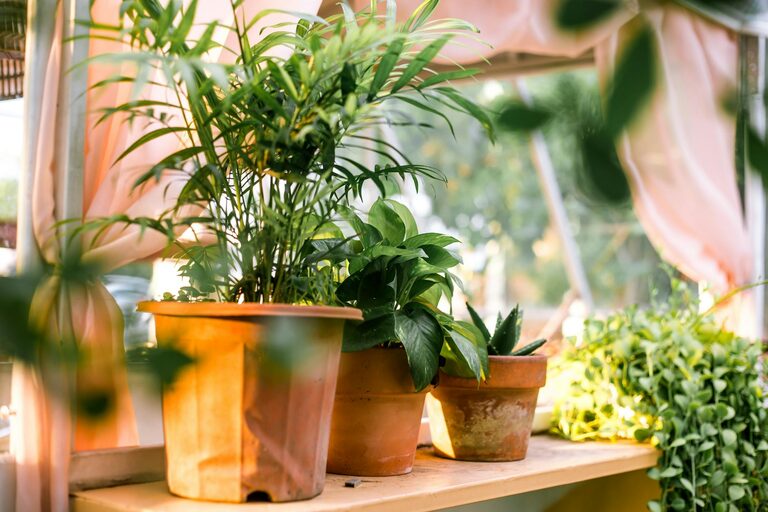
Bringing houseplants into your home can boost your mood, improve air quality, and add a touch of natural beauty. However, keeping them healthy requires some attention and care. Whether you’re a seasoned plant parent or just starting your indoor garden, these tips will help your plants thrive.
Understanding Your Houseplants’ Needs
Each plant species has its own preferences for light, water, and temperature. Learning about your specific plants is essential to provide the right environment.
Light Requirements
– Bright light plants like succulents and fiddle leaf figs need several hours of direct or bright indirect sunlight.
– Low light plants such as pothos or snake plants can tolerate less light but may grow more slowly.
– Place plants accordingly near windows or use grow lights if natural light is insufficient.
Watering Wisely
Overwatering is a common mistake that can cause root rot, while underwatering can stress the plant.
– Check the soil moisture with your finger; water only when the top inch or so is dry.
– Water deeply until it drains from the pot’s bottom, then empty any excess in the saucer.
– Adjust watering frequency based on season, humidity, and plant type.
Choosing the Right Soil and Pot
Good soil and pots with drainage holes help prevent water accumulation that harms roots.
– Use well-draining potting mixes designed for indoor plants.
– Avoid garden soil, which may be too dense or contain pests.
– Repot plants when they outgrow their containers, usually every 1-2 years.
Providing Proper Humidity and Temperature
Indoor environments can sometimes be dry or drafty, impacting certain plants.
– Many tropical houseplants prefer humidity levels around 40-60%.
– Increase humidity by misting leaves, using a humidifier, or placing water trays near plants.
– Keep plants away from heating or cooling vents and avoid sudden temperature fluctuations.
Feeding Your Plants Nutrients
Plants need nutrients to grow and stay healthy.
– Use balanced, water-soluble fertilizers formulated for indoor plants.
– Feed plants during their growing season (spring and summer) about once a month.
– Reduce or stop fertilizing in fall and winter when growth slows.
Regular Maintenance and Monitoring
Consistent care helps catch issues early and supports overall plant health.
Pruning and Cleaning
– Remove dead or yellowing leaves to encourage new growth.
– Trim leggy growth to keep plants bushy and attractive.
– Dust leaves regularly with a soft cloth to maximize photosynthesis.
Checking for Pests
– Inspect plants frequently for signs of pests like aphids, spider mites, or scale.
– Treat infestations promptly using gentle methods such as insecticidal soap or neem oil.
– Quarantine new plants before introducing them to your collection to avoid spreading pests.
Troubleshooting Common Problems
Recognizing signs of trouble can save your plants.
– Wilting or drooping: Often a sign of overwatering or underwatering.
– Yellow leaves: May indicate too much water, poor drainage, or lack of nutrients.
– Brown leaf tips: Could be caused by low humidity or salt build-up from fertilizers.
– Slow growth: Might mean insufficient light or nutrients.
Regularly observe your plants and adjust care routines accordingly.
Creating a Care Schedule
Staying organized makes plant care easier.
- **Weekly:** Check soil moisture, water as needed, inspect for pests.
- **Monthly:** Feed plants, clean leaves, rotate pots for even light exposure.
- **Seasonally:** Repot if necessary, adjust watering and feeding based on growth cycles.
Conclusion
Caring for houseplants is a rewarding hobby that brings life to your living spaces. By understanding each plant’s needs and providing consistent care, you can enjoy lush, healthy greenery all year round. Remember, patience and observation go a long way in keeping your indoor plants vibrant and thriving.
Happy gardening!