
How to Store Seasonal Clothes Efficiently for a Clutter-Free Home
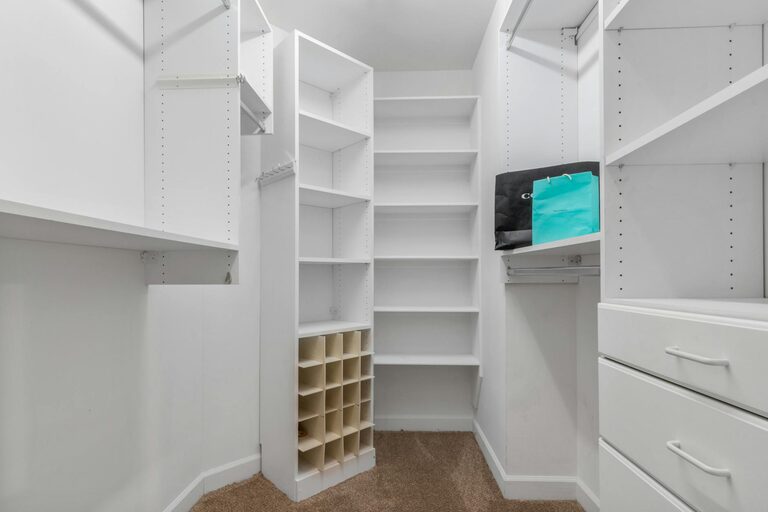
Storing seasonal clothes efficiently can save space, protect your garments, and make dressing easier when the seasons change. Whether you’re switching from winter coats to summer dresses or packing away bulky sweaters, having a system in place keeps your closet neat and your clothes well-maintained. In this post, we’ll explore practical tips and storage solutions to help you manage your wardrobe through every season.
Why Proper Seasonal Clothes Storage Matters
When you store clothes properly, you:
– Prevent damage from moisture, dust, and pests
– Maximize your closet and storage space
– Keep your clothes fresh and wrinkle-free
– Save time when changing your wardrobe each season
Poor storage can lead to musty smells, discoloration, or even damage that shortens your clothes’ life. Let’s look at how to avoid these problems.
Preparing Clothes for Storage
Before packing away seasonal clothes, preparation is key.
Clean Everything Thoroughly
Washing or dry cleaning clothes removes dirt, oils, and stains that might attract pests or cause stains over time. Make sure clothes are completely dry to prevent mold and mildew.
Repair Damage
Check for loose buttons, small tears, or worn areas and fix them. This prevents further damage while in storage.
Sort and Declutter
Use this time to evaluate your wardrobe. Donate or recycle items you no longer wear to reduce clutter and make space.
Choosing the Right Storage Containers
Selecting the proper containers can protect your clothes and keep them organized.
Clear Plastic Bins
Stackable and transparent, these bins let you see contents easily. Choose bins with tight-fitting lids to protect against dust and pests.
Fabric Storage Bags
Breathable fabric bags are excellent for delicate items or natural fibers that need air circulation, like wool or cashmere.
Vacuum-Sealed Bags
These bags compress clothes to save space but are best for synthetic or wrinkle-resistant items. Avoid vacuum sealing delicate or leather garments.
Suitcases and Trunks
If you have vintage luggage, they can add style and practical storage space for out-of-season clothes.
Storage Locations and Conditions
Where you store your clothes matters as much as how.
Cool, Dry, and Dark Places
Avoid attics, basements, or garages if they are prone to temperature swings or humidity. A well-ventilated closet or under-bed storage in a climate-controlled room is preferable.
Avoid Plastic on Clothing
For long-term storage, avoid plastic bags directly on clothes, which can trap moisture and cause damage.
Use Cedar or Lavender
Natural repellents like cedar blocks or lavender sachets deter moths and add a fresh scent without chemicals.
Organizing Clothes Within Storage
Proper organization saves time and protects items.
Group by Type or Use
Store similar items together — all sweaters in one box, swimwear in another — so you can find them easily.
Use Tissue Paper
Wrap delicate items or layer between folded clothes to prevent wrinkles.
Label Everything
Clearly label containers with contents and season to make unpacking faster.
Tips for Easy Season Transitions
Rotate Your Wardrobe
At season change, move stored items back into your main closet and switch out the current season’s clothes.
Inspect and Air Out Before Putting Away
Give stored clothes a quick inspection and a light airing before storing again to keep them fresh.
Maintain Storage Year-Round
Keep your storage area clean and pest-free; check on stored clothes occasionally.
Bonus: Space-Saving Folding Techniques
Try using folding methods that reduce wrinkles and save space, like the KonMari or rolling technique. Rolling is especially useful for casual clothes and travel packing.
—
Efficient storage of seasonal clothes not only saves space but prolongs the life of your favorite pieces and makes dressing easier. By preparing your clothes carefully, choosing the right storage solutions, and organizing thoughtfully, you can enjoy a clutter-free home all year long. Happy organizing!